
This post may contain affiliate links. As an Amazon Associate, we earn from qualifying purchases. Read Full Disclosure.
Why am I encouraging you to spend your money wisely? Because I care and maybe you (who needs to know it), will listen. I’ve seen real people in different parts of the world struggling to survive, yet still living above their means.
I beg to ask HOW and WHY we continue making choices that keep us financially stressed when a more intentional, sustainable lifestyle is right within reach?
Gain control; try the frugal way and spend your money wisely

Living a frugal lifestyle has transformed the way I approach money, and it’s brought far more peace and freedom than any shopping spree ever could.
Most people hear the word frugal and immediately think it means being cheap or living a joyless, restricted life, but that couldn’t be further from the truth.
When you learn to budget with intention and spend wisely, you stop chasing every new purchase and start building a life that feels stable, confident, and genuinely fulfilling.
Choosing to spend your money wisely isn’t about restriction; it’s about intention. A frugal lifestyle, paired with consistent budgeting, has helped tremendously by shifting my focus from constant purchasing to purposeful living.
What many people mistake for “being cheap” is actually the freedom that comes from knowing where your money goes and why you’re spending it.
28 Tips On Budgeting And How To Spend Your Money Wisely
Create a household budget TOGETHER
If you are a couple, discuss and agree on how your total household income will be divided from the very beginning.
Working together to allocate money for essentials, savings, and personal spending can help prevent misunderstandings and keep your financial goals aligned. Open communication about finances also creates a stronger partnership. One union, One money, One budget.

Have a monthly budget meeting
As a couple, we came together at least once a month to review our budget. Since our family has grown, we do so more often to see what’s working and what isn’t. Whether you are single or live with others, this can still be done; you can do budget checks as often as you prefer. The point is to stay aware, stay accountable, and stay in control of where your money is going.

Be intentional with your budgeting
Make an effort. Set rules, set goals, and create simple guidelines for how you want to spend. Try to follow them as best as you can. Small, intentional choices add up over time and help keep your budget on track.
Allocate pocket monies
If it is possible, set aside a specific allowance or spending amount for each member of the family. This helps everyone understand their limits, make responsible choices, and avoid unnecessary spending. It also teaches discipline and encourages each person to prioritize what truly matters to them. Over time, these small habits build a stronger sense of financial awareness across the entire household.
Buy what you need
Do you really need another fancy, name‑brand bag? If you know they’re just going to sit on the shelf catching dust, leave them alone. If you can afford it and want to treat yourself, then by all means, be my guest. Otherwise, stop buying things you don’t truly need. The same concept applies to food items, especially perishables. Buying more than you can realistically use is just another way money slips through your fingers.
Avoid wasting food
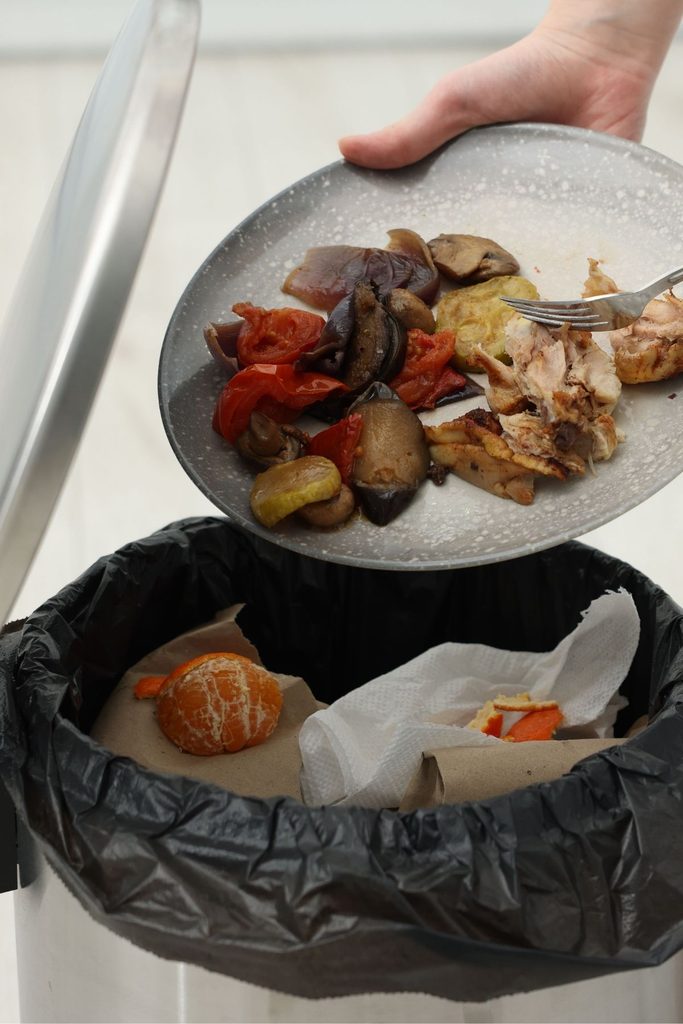
Prepare meals according to your family’s consumption habits. I know exactly how much my household eats, so I tailor each meal’s yield to match those patterns. Leftovers are always intentional, never accidental.
Another simple way to reduce waste is to take portions you will actually finish, so you don’t end up scraping uneaten food into the bin. We’ve had to teach or children to, first eat up what they’ve been given, before asking for a bit more. Small choices like these add up and make a noticeable difference in both your budget and your daily routine.
Avoiding impulse purchases will help you spend your money wisely
Most supermarkets and stores catch buyers when they least expect it. They place tempting items around the cashier area specifically to grab your attention. I’ve fallen victim to this more than once with my favorite chocolate bar.
I can walk through the entire supermarket and ignore it in the aisle, but the moment I reach the cashier, there it is, testing my restraint. These are strategically placed and are designed to make you spend without thinking. Be mindful of them and stay focused on what you actually came to buy.
Limit eating out
Dining out is fun and a great treat for the family, but it can become expensive, especially if you have a larger household. Choose to dine out on extra‑special occasions or those once‑in‑a‑while just‑because moments. You can save a good amount of money by putting your own pot together at home. It’s always best to cook your own meals if you have the ability and means to do so. You will find that it is healthier, more cost‑effective, and far easier on your budget.
Start a garden
And one might ask, what does gardening have to do with saving money? A LOT. Ask anyone who grows their own food.
If you have a backyard, whether you’re planting in the ground or using containers, sow a seed. Grow a few vegetables so you don’t have to purchase them from the market all the time. I’ve found that starting my own garden and growing my own food not only saves money, but it is healthier too, with no gardening chemicals involved.

Start a small backyard farm
If you love animals and have enough space on your property, starting a small farm can be a rewarding way to save money and become more self-sufficient.
Chickens are a popular choice for beginners because they are relatively easy to care for and provide a steady supply of fresh eggs. Raising your own chickens can help reduce grocery costs while giving you access to fresh, homegrown food.
Take advantage of coupons
I have used coupons many times before and happily so, as they have saved me some cash. Coupons are a simple and effective way to reduce everyday expenses on groceries, household items, and other necessities. By planning your purchases around available discounts and using coupons only for items you already need, you can save money without overspending.
Spend your money wisely by asking for discounts
Indeed, asking for discounts is another way you can spend your money wisely. Never be afraid to ask if a discount is available. Many businesses, service providers, and sellers are willing to offer lower prices or negotiate, but you will never know unless you ask.
Unplug unused appliances
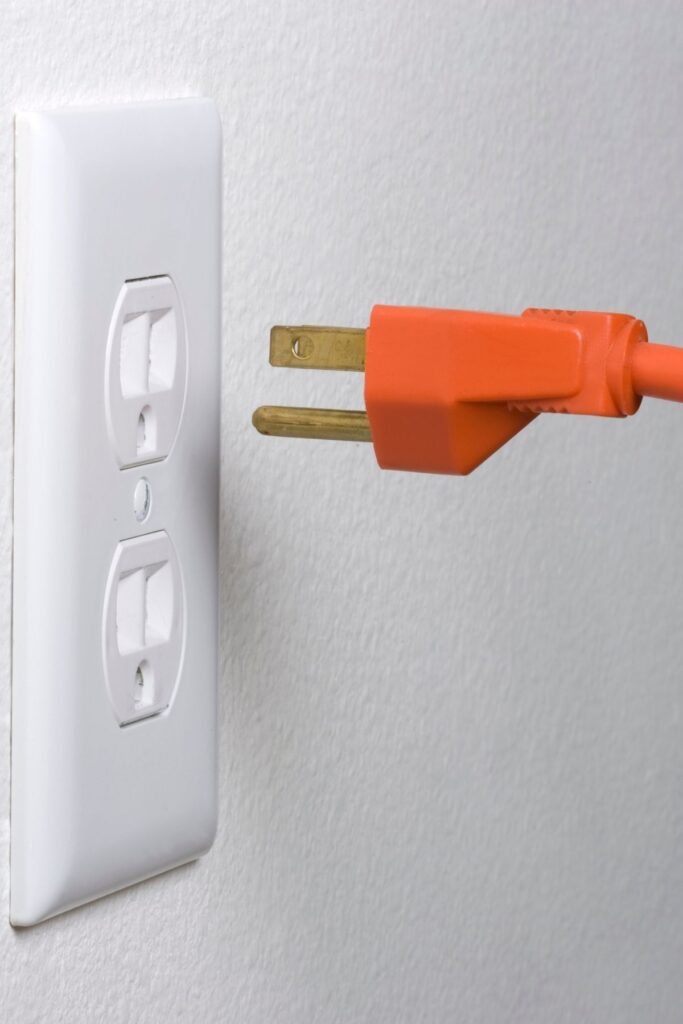
What better way to save on your utility bills? Take a look around your home to notice and unplug the cables and devices that are not in use.
When we take long vacations and no one is home for an extended period, we’ve gotten into the habit of unplugging appliances entirely. It saves us a noticeable amount on the bill for that month.
We may also go a step further and turn off the breakers that are not needed. Give it a try because small changes like this really do add up
Use less water
How does the use of water help you to spend your money wisely? Water is a necessity that can be easily wasted without us even realizing it. In some countries it may be free but in others, it comes with a cost.
I come from Dominica, The Nature Island of the Caribbean, also known as the land of many rivers; I grew up taking long showers, and leaving pipes running without ever thinking of it as waste.
Now that I’m an adult and have lived in countries where water is treated like gold, I understand its value. Conserve water in whatever ways you can, whether it’s by flushing less or turning off the tap while brushing. These small habits help keep your water bill down and make a meaningful difference over time.
Turn off the water heater on hot days
There are days when it is so hot outside that the normal tap water is at a much tolerable temperature for showering. In such instances, avoid using your water heater.
Remind the entire family to do the same every time someone takes a shower until it becomes a habit, then see how it impacts your power usage.
Welcome hand-me-downs
Hand-me-downs help us save money because they allow clothes, toys, school books and other items to be reused instead of buying new ones. I welcome hand-me-downs because I can put my savings towards something more important. I am also reminded that good things can still be useful even after someone else has used them.

Carpool
Family members can carpool when they are traveling to the same destination, such as attending church, work, or school. For example, spouses who work in the same area and have children attending a nearby school can share one vehicle instead of driving separately.
Carpooling is a simple and practical way to save money on fuel, reduce the number of vehicles on the road, and help lower pollution, all while spending more time together.
Schedule cooking times especially for gas stoves
We plan meals and cook on specific days instead of every day and this saves us both time and money. You can do it too. Creating a meal plan helps reduce food waste and makes it easier to use ingredients efficiently. Leftovers can be stored in the refrigerator and enjoyed within two days, helping you get the most from each meal while minimizing the need to throw food away.
Spend your money wisely by cutting the cable
No she didn’t! Yes I did! If you are rarely home during the day and spend most evenings getting ready for bed, paying for cable may not be the best use of your money. We’ve had to weigh the benefits of Netflix and Cable TV and make some decisions regarding them. Evaluating how often you actually watch television can help you identify unnecessary expenses and free up funds for more important financial goals. By eliminating a service you seldom use, you can reduce your monthly bills and increase your overall savings.
Choose a mobile plan that suits your budget and stick to it
Cell phone bills can quickly become a major monthly expense, especially when you are paying for features or data you do not use. You can spend your money wisely by taking the time to compare plans from local providers and selecting one that fits both your needs and your budget. Choosing the right plan can help reduce unnecessary spending.
Build savings for the future
Setting aside even a small amount of money each month can make a big difference over time. Creating separate savings for emergencies, leisure activities, and healthcare expenses helps you stay prepared for unexpected situations while still enjoying the things that matter most.

Consider a fixed term savings account
A fixed-term account can help you grow your savings by earning interest while keeping your money set aside for a specific period. This is a great way to save for future goals while avoiding unnecessary spending overtime.
Practice financial integrity
Developing financial integrity means being honest with your partner and yourself about your income, spending habits, and financial responsibilities. By living within your means, paying your obligations on time, and making thoughtful financial decisions, you can build a stronger foundation for your family’s long-term financial stability and success.
Shop during major sales events
Many products are heavily discounted at certain times of the year, making it the perfect opportunity to purchase items you already need. Holiday and seasonal sales such as Christmas, New Year’s, Valentine’s Day, Mother’s Day, Father’s Day, Independence Day, Labor Day, Black Friday, Thanksgiving, and Prime Day often offer significant savings. By planning your purchases around these sales, you can get quality items at a lower cost while keeping more money in your pocket.
Reuse your attire
You don’t need a different outfit or pair of shoes for every occasion. I know someone reading this might raise an eyebrow, but stay with me because it truly makes sense. While there are moments when treating yourself to something new feels right, there’s absolutely nothing wrong with wearing the same pieces more than once. Style isn’t about constant consumption; it’s about confidence, creativity, and making what you already own work beautifully for you.

Teach your kids about money and how to spend it wisely
Teaching your children to save and how to spend money wisely means showing them how to make thoughtful choices instead of impulsive ones, and helping them understand the difference between needs and wants.
When you guide them to budget, save, and plan ahead, you give them lifelong confidence in managing their finances with intention and responsibility.
Treat yourself occasionally
Living a frugal lifestyle and following a budget does not mean you have to give up the things you enjoy. Set aside a small amount of money for personal treats and special occasions. You can enjoy yourself without feeling guilty or disrupting your financial goals. A balanced budget allows you to save responsibly while still making room for life’s little pleasures.
Invest in your future
As a final thought on spending money wisely, consider investing a portion of your income rather than spending every dollar you earn. Investing allows your money to grow over time and can help you achieve long-term financial goals such as buying a home, funding your children’s education, starting a business, or preparing for retirement.
There are many ways to invest, including savings accounts, fixed-term deposits, stocks, bonds, mutual funds, real estate, or even investing in your own education and skills. The key is to choose an investment option that aligns with your goals, risk tolerance, and financial situation. While investing may seem intimidating at first, (it sure was for us), starting small and being consistent can make a significant difference long-term.
Remember, money is not just meant to be spent, it can also be used as a tool to create future opportunities. The earlier you begin investing, the more time your money has to grow and work for you. Wise spending is not only about saving money today, but also about creating opportunities for yourself in the future.




Leave a Reply